Light Roast vs. Dark Roast Coffee: What’s the Real Difference?
Apr 30, 2025
Quick Takeaways: Light Roast vs. Dark Roast Coffee
|
Feature |
Light Roast Coffee |
Dark Roast Coffee |
|
Roast Time |
Shorter |
Longer |
|
Roast Temperature |
Lower |
Higher |
|
Flavor |
Bright, fruity, floral |
Bold, smoky, chocolatey |
|
Acidity |
Higher perceived acidity |
Lower perceived acidity |
|
Body |
Lighter to medium |
Fuller, creamier |
|
Bean Appearance |
Light brown, dry |
Dark brown, oily |
|
Original Bean Flavor |
More noticeable |
More roast-driven |
|
Caffeine |
Slightly more by weight |
Slightly less by weight |
Whether you're a lover of light roast coffee, devoted to your favorite dark roast, or barely know the difference, there's no denying that coffee is more than just “coffee.” But have you ever wondered what really sets these roasts apart (besides the color, obviously)? Let’s dive into the delicious details so you can be a smarter sipper.
When comparing light roast vs. dark roast coffees, the differences are exactly what you might guess: 1) time spent in the roaster, and 2) roasting temperature. Light roast spends less time in the roaster and at a lower temperature, which results in a more moist and dense coffee, and that distinctive light color.
Dark roast, perhaps predictably, stays in the roaster longer, and at a higher temp–430-440 degrees. The result is a darker, less moist, and dense coffee, with that distinctive smoky taste and a very different flavor profile. Dig in deeper with us when you read below.
What Is the Difference Between Light Roast and Dark Roast Coffee?
The main difference between light roast and dark roast coffee comes down to:
• Roast time
• Roast temperature
• Flavor profile
• Body and acidity
Light roast coffee spends less time in the roaster, which helps preserve more of the bean’s original flavors and characteristics.
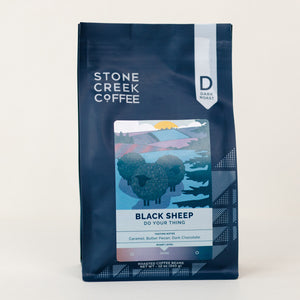
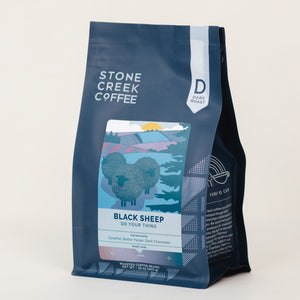
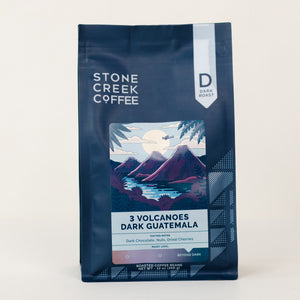
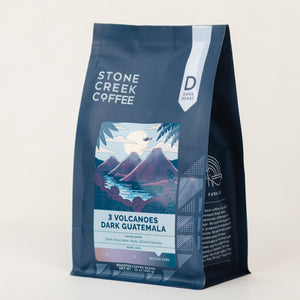
Dark roast coffee stays in the roaster longer at higher temperatures, developing deeper roasted flavors and a darker appearance.
In Simple Terms
Light Roast Coffee
• Brighter flavor
• More fruit and floral notes
• Higher perceived acidity
• More origin character
Dark Roast Coffee
• Bolder flavor
• Smokier taste
• Lower perceived acidity
• Richer body and mouthfeel
How Coffee Roasting Changes Flavor
Coffee roasting transforms green coffee beans through heat and time.
As beans roast:
• Sugars caramelize
• Moisture evaporates
• Oils move toward the surface
• Acidity and body shift
• Flavor compounds develop
Light Roast Coffee Flavor Notes
Because light roasts are roasted for less time, they tend to preserve more of the bean’s natural flavor.
Common light roast tasting notes:
• Citrus
• Berry
• Floral
• Stone fruit
• Tea-like sweetness
• Bright acidity
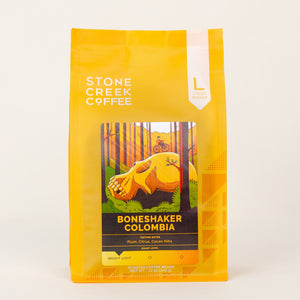
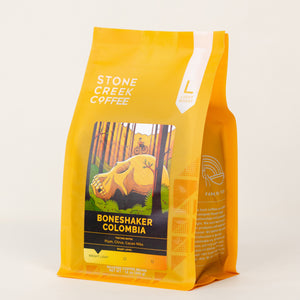
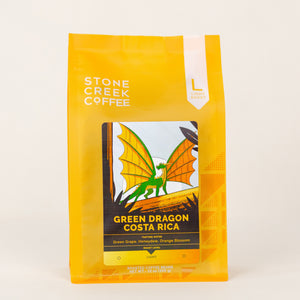
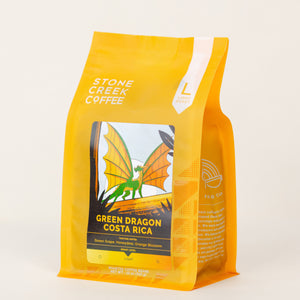
Our light roasted coffee offerings deliver a juicy and dynamic cup with vibrant acidity and delicate fruit-forward flavors.
Dark Roast Coffee Flavor Notes
Dark roast coffees develop more flavor from the roasting process itself.
Common dark roast tasting notes:
• Dark chocolate
• Roasted cocoa
• Caramelized sugar
• Smoke
• Toasted nuts
• Full-bodied sweetness
Our dark roasted coffee delivers a smooth, creamy mouthfeel with bold roasted flavor and a lingering finish.
Which Coffee Roast Is More Acidic?
If you are searching for:
• low acid coffee
• smooth coffee roast
• coffee that tastes less bitter or sharp
…you will probably prefer a dark roast coffee.
Why Light Roast Tastes More Acidic
Light roast coffee preserves more bright and fruit-forward characteristics from the bean itself.
That brightness can create flavors like:
• Lemon
• Orange
• Berry
• Green apple
• Floral tea
Many specialty coffee drinkers love this complexity.
Why Dark Roast Tastes Smoother
Longer roasting softens some of those brighter flavors and replaces them with:
• Chocolate
• Smoke
• Caramel
• Toasted sugar
This often creates a smoother, fuller-bodied cup.
Does Light Roast Have More Caffeine?
This is one of the biggest coffee myths online.
The Short Answer
Yes, light roast coffee may contain slightly more caffeine by weight.
But in real-world brewing, the difference is very small.
Why People Think Dark Roast Has More Caffeine
Dark roast coffee tastes stronger because it has:
• Bolder roasted flavors
• More smoky notes
• Fuller body
But a stronger flavor does not equal more caffeine.
Here’s What Actually Happens
Light Roast Beans
• More dense
• Slightly more caffeine retained
Dark Roast Beans
• Less dense
• Easier to scoop larger volume
That means the caffeine difference often balances out depending on how you measure and brew your coffee.
 Which Roast Is Best for You?
Choose Light Roast Coffee If You Like:
• Bright flavors
• Fruity tasting notes
• Higher acidity
• Complex specialty coffee
• Floral and citrus profiles
Choose Dark Roast Coffee If You Like:
• Bold coffee flavor
• Smooth body
• Chocolatey notes
• Lower perceived acidity
• Traditional coffee taste
Coffee Roast Levels Exist on a Spectrum
Coffee is not just “light” or “dark.” It is a spectrum, with different degrees of roast development between the two.
You may have seen some of these marketed at other coffee companies as:
• Blonde roast
• Medium roast
• Medium-dark roast
• Espresso roast
• Beyond dark roast
At Stone Creek Coffee, we roast coffees across the entire spectrum so you can explore different flavor profiles and discover what best fits your taste preferences. If you need help on where to start, check out our helpful Stone Creek Coffee Buyers Guide.
Whether you are visiting one of our cafes or ordering online, exploring different roast levels is one of the best ways to better understand coffee flavor.
Frequently Asked Questions About Light Roast vs. Dark Roast Coffee
Which coffee roast is stronger?
Dark roast coffee usually tastes stronger because of its bold roasted flavors, but it does not necessarily contain more caffeine.
Which coffee roast is smoother?
Dark roast coffee is generally smoother and less acidic tasting than light roast coffee.
Is light roast coffee healthier?
Both light roast and dark roast coffee contain antioxidants and beneficial compounds. The best choice usually comes down to personal taste preference.
Which roast is best for espresso?
Espresso can be made with any roast level. Dark roasts create a more traditional espresso flavor, while light roasts produce brighter and fruitier espresso shots.
Why do specialty coffee shops use light roast coffee?
Light roasts highlight the unique flavors of the coffee bean and origin, which is why many specialty coffee roasters prefer them.
What roast level should beginners start with?
Many beginners enjoy medium or dark roast coffee because the flavors are smoother and more familiar. But trying multiple roast levels is the best way to discover your preferences.