Best Coffee for AeroPress
Nov 01, 2026
Quick Takeaways
• There is no single 'best' roast for AeroPress. The brewer is versatile enough to make light, medium, and dark coffees shine.
• Freshness matters: use recently roasted coffee and give it enough time to degas before brewing.
• Light roasts can emphasize fruit, citrus, floral, and origin character; medium roasts tend to bring sweetness and balance; dark roasts deliver heavier roasted notes and body.
• AeroPress's paper filtration works especially well when you want a clean version of a coffee's flavor profile.
• Start with a coffee you already like, then use AeroPress to explore how brewing changes it.
So, what's the best coffee for AeroPress? The honest answer is: the coffee you want to drink.
That may sound like a cop-out, but it is actually one of the AeroPress's strengths. Its combination of immersion, relatively short brew time, and paper filtration makes it flexible enough for bright light roasts, balanced medium roasts, and darker coffees. The question is less 'Which roast wins?' and more 'What do you want in the cup?'
What Makes a Coffee Good for AeroPress?
AeroPress does not require a particular origin, processing method, or roast level. What matters is that the coffee is fresh, the grind is appropriate, and the recipe gives the coffee enough opportunity to show what it has to offer.
Because the brewer uses paper filtration, it can produce a relatively clean cup even when you are brewing a coffee with a lot of body or intensity. That makes it a fun way to explore coffees across the flavor spectrum.
 Best Roast Level for AeroPress
Light, medium, and dark roasts can all work. The difference is what you are asking the coffee to contribute. For an even more in-depth exploration on the topic of choosing the right roast, try our guide How to Choose the Right Coffee Roast for Your Brewing Method.
Light Roasts: Bright and Complex
Light roasts are a great choice if you enjoy acidity, fruit, florals, citrus, and flavors that clearly reflect the coffee's origin. AeroPress can make these coffees lively without requiring the longer, more technique-sensitive brew associated with some pour-over recipes.
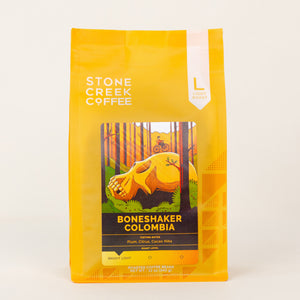
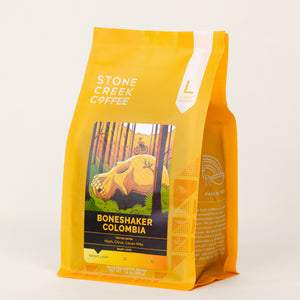
If you enjoy bright, fruit-forward coffee, explore Stone Creek's Bright collection. Seasonal coffees can be especially fun here because the AeroPress gives you a quick way to compare coffees from different origins.
Medium Roasts: Balanced and Versatile
Medium roasts are an easy recommendation for someone new to AeroPress. They tend to balance sweetness, body, and acidity, making them forgiving while you learn the brewer.
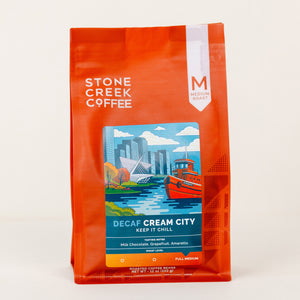
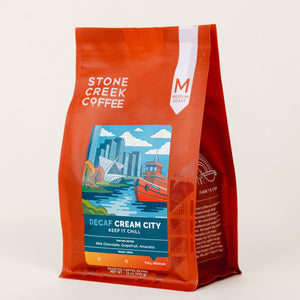
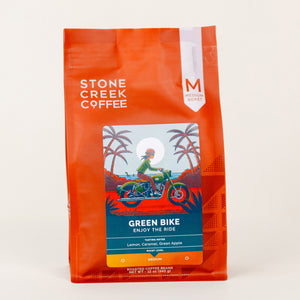
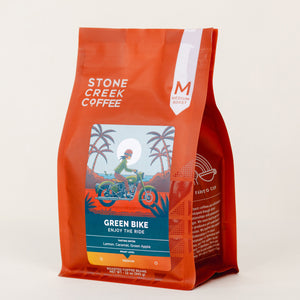
Stone Creek's Balanced collection includes coffees such as Cream City, Voyager, and Green Bike. Cream City is engineered for a sweet, smooth, dynamic profile; Voyager leans fudgy and rich; Green Bike combines caramel sweetness, fruit acidity, and creamy body. Each offers a different way into the AeroPress.
Dark Roasts: Bold and Full
If your idea of a great cup involves deep chocolate, roasted sugar, smoke, or a heavier body, don't let anyone tell you the AeroPress is only for light-roast coffee.
Stone Creek's Bold collection includes options such as Black Sheep and 3 Volcanoes Dark Guatemala. Black Sheep combines dark-roasted depth with some brighter character, while 3 Volcanoes Dark Guatemala leans intensely into dark chocolate, dried cherry, and toasted-marshmallow territory.
Freshness Matters
Freshly roasted coffee is a big part of the equation. Stone Creek currently recommends brewing its coffee roughly 3 to 14 days after the roast date for optimal flavor, while noting that properly stored coffee can remain enjoyable beyond that window.
AeroPress is not a magic freshness machine. Great brewing technique cannot completely rescue stale beans. Buy coffee in quantities you can use while it is tasting lively, and store it in a cool, airtight container away from heat, light, and moisture.
Does Origin Matter?
Origin matters because coffees from different regions can naturally present different flavor profiles. Colombian coffees may offer caramel, citrus, chocolate, or fruit depending on the coffee. Ethiopian coffees can be floral or fruit-forward. Central American coffees often offer combinations of sweetness, citrus, chocolate, and spice.
But origin is not a flavor guarantee. Variety, altitude, processing, roasting, and brewing all contribute. Read the tasting notes as a guide rather than a promise that your cup will taste exactly like a list of fruit or candy.
Does Processing Matter?
Absolutely, and it can be fun to compare. Washed coffees often show clean, distinct acidity and origin character. Natural and other fruit-forward processing methods can produce more pronounced fruit and fermentation notes. Honey processing can land somewhere in between.
AeroPress is a useful brewer for comparing these differences because you can keep your recipe consistent while changing only the coffee.
Stone Creek Coffee Picks for Different AeroPress Drinkers
Some of our favorite Stone Creek Coffee recommendations. Pick your favorite and shop here:
| If you like... | Try... | Why it fits AeroPress |
|---|---|---|
| Bright, fruit-forward coffee | A coffee from Stone Creek's Light collection | Paper filtration and short immersion can showcase lively acidity and fruit character |
| Balanced, everyday coffee | Cream City | Sweet, smooth, dynamic profile that is approachable while you learn |
| Rich, fudgy coffee | Voyager | A fuller, richer profile that works beautifully in a concentrated AeroPress recipe |
| Caramel + fruit + body | Green Bike | Its caramel sweetness, apricot acidity, and creamy body give you multiple flavors to explore |
| Dark chocolate and deep roast | 3 Volcanoes Dark Guatemala | A bold, heavy profile that stands up to the AeroPress's concentrated style |
| Bold but not one-dimensional | Black Sheep | Dark-roast depth with additional vibrance and fruit character |
How to Choose Your First AeroPress Coffee
-
Start with your existing taste preference: bright, balanced, or bold.
-
Choose a freshly roasted coffee from that category.
-
Use a simple, repeatable AeroPress recipe.
-
Taste the coffee before adding anything.
-
If it is too bright or sharp, adjust extraction before abandoning the coffee.
-
If you love it, try the same coffee with a different ratio or grind.
One of the best things about AeroPress is that it makes coffee experimentation feel manageable. You don't need six brewers to explore six coffees. (But one Brew Guide might help). You can keep the brewer and recipe steady and let the beans do the talking.
Frequently Asked Questions
What roast is best for AeroPress?
There is no universal best roast. Light roasts can highlight bright, complex flavors; medium roasts offer balance and sweetness; dark roasts bring more roasted depth and body.
Is light roast good for AeroPress?
Yes. AeroPress can be an excellent way to brew light-roast coffee, especially when you want a flavorful cup without the longer, more technique-heavy workflow of some pour-over recipes.
Can you use dark roast in an AeroPress?
Absolutely. Dark roasts can make rich, concentrated AeroPress coffee. Try a slightly coarser grind or lower temperature if the coffee tastes overly bitter.
What Stone Creek coffee is best for AeroPress?
That depends on your taste. Cream City is a balanced starting point; Green Bike offers caramel, fruit acidity, and body; Voyager is rich and fudgy; and Stone Creek's Bold coffees are options for darker, heavier profiles.
How fresh should coffee be for AeroPress?
Freshness matters. Stone Creek recommends brewing its coffee roughly 3 to 14 days after roast for optimal flavor, although properly stored coffee can remain enjoyable longer.
Can I use flavored or processed coffees in an AeroPress?
Yes. AeroPress is versatile. Highly fruit-forward or fermented coffees can be especially interesting because the brewer's short immersion and paper filtration can make intense flavors approachable.