How to Store Coffee Beans: Canisters, Freezing, and Common Myths
Feb 27, 2026
If you love brewing great coffee at home, then knowing how to store coffee beans properly can make a dramatic difference in flavor. Coffee beans start losing flavor as soon as they’re roasted — and improper storage just accelerates that loss. In this guide, we’ll walk through proven tips on how to store fresh coffee beans, the best airtight coffee bean storage containers, and which common storage myths you can safely ignore.
Why Proper Coffee Storage Matters
Roasted coffee beans are porous and hygroscopic, which is a fancy way to say that they absorb moisture, odors, and even carbon dioxide from the air. Without proper storage, your beans can go stale within days. Freshly roasted coffee releases aromatic gases, and protecting those flavors ensures a vibrant cup every time. As we explain here, coffee doesn’t stay fresh for as long as you might think!
Choose the Right Container: Airtight Is Key
One of the biggest factors in keeping coffee fresh is reducing exposure to air. That’s where airtight coffee bean storage containers come in.
Here’s what to look for:
• Opaque construction: Light accelerates the breakdown of oils and flavor compounds.
• One-way valve: Lets CO₂ escape while keeping air out.
• Small footprint: Only store as many beans as you’ll use in a short period.
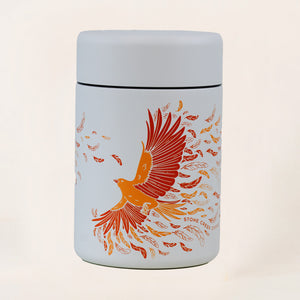
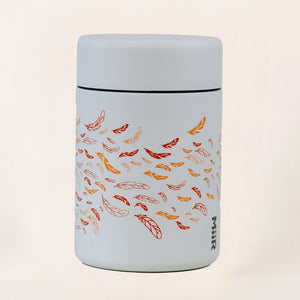
Glass jars with rubber seals or stainless steel canisters designed for coffee both work well. The goal is to create an environment where air, light, heat, and moisture can’t degrade your beans.
Where to Place Your Coffee Storage
Even the best container won’t help if it’s in a bad spot. Heat and humidity are your enemies.
• Avoid the fridge or freezer for daily use: Frequent temperature changes introduce moisture.
• Skip the countertop near the stove: Heat fluctuates throughout the day.
• Best location: A cool, dark pantry or cupboard away from appliances.
Can You Freeze Coffee Beans?
There’s a lot of debate around freezing coffee. The short answer: yes, but only if done correctly.
Freezing can slow the staling process when:
• You’re storing coffee for weeks or months beyond typical freshness windows.
• You divide beans into small, sealed portions so you only open once.
• You use freezer-safe airtight coffee bean storage containers or vacuum-sealed bags.
Once out of the freezer, let beans come to room temp inside the container before opening. This prevents condensation on the beans.
Common Storage Myths—Busted
Myth #1: Refrigeration keeps beans fresh long-term.
Fact: Fridges are humid and full of odors. Beans can absorb both and go stale faster.
Myth #2: Beans last forever when vacuum sealed.
Fact: Sealing slows staling, but oxidation still happens over time. For peak flavor, aim to use beans within 2–4 weeks of roasting.
Myth #3: Grinding first improves storage life.
Fact: Ground coffee has significantly more surface area exposed to air, which speeds up staling. Always store beans whole and grind right before brewing.
Final Tips for Best Flavor
• Buy smaller quantities more often. Fresher is better.
• Store beans at room temperature in an airtight container with minimal exposure to light and air.
Proper coffee storage isn’t complicated; it just requires understanding what makes beans go stale and how to protect them. With the right containers and habits, you’ll enjoy fresher, more flavorful coffee with every cup.
For more tips on coffee freshness, check out our guide on how long coffee stays fresh at Stone Creek Coffee.
Frequently Asked Questions About Coffee Bean Storage
Menu & Freshness FAQ
How should I store coffee beans to keep them fresh?
The best way to store coffee beans is in an airtight, opaque container kept in a cool, dark place like a pantry or cupboard. Limiting exposure to air, heat, light, and moisture helps preserve flavor and aroma for as long as possible.
What is the best container for storing coffee beans?
The best coffee bean storage containers are airtight, opaque canisters with a one-way valve. Stainless steel coffee canisters and glass jars with strong rubber seals are both popular options. A one-way valve is especially helpful because it allows carbon dioxide to escape without letting air in.
Should coffee beans be stored in the fridge?
No. Refrigerators are not ideal for coffee bean storage because they contain moisture and food odors that coffee can absorb. Frequent temperature changes can also cause condensation, which can make beans go stale faster.
Coffee Storage Methods & Shelf Life FAQ
Can you freeze coffee beans?
Yes, you can freeze coffee beans if you are storing them for more than a few weeks. For best results, divide the beans into smaller portions, seal them in airtight freezer-safe containers or vacuum-sealed bags, and only thaw what you plan to use right away. Let frozen beans return to room temperature before opening the container to avoid condensation.
How long do coffee beans stay fresh after roasting?
Whole coffee beans are generally best when used within 2–4 weeks of roasting. While airtight containers and vacuum sealing can slow staling, coffee still loses flavor over time. Buying smaller amounts more frequently is usually the best approach for peak freshness.
Coffee Brewing & Common Myths FAQ
Is it better to store whole bean coffee or ground coffee?
Whole bean coffee stays fresh much longer than ground coffee. Once coffee is ground, more surface area is exposed to air, which speeds up oxidation and staling. For the best flavor, store beans whole and grind them right before brewing.
Where should I keep coffee beans in the kitchen?
Coffee beans should be stored in a cool, dark pantry or cupboard away from heat-producing appliances like stoves, ovens, dishwashers, and direct sunlight. Even the best airtight container will not help if it is stored in a hot or humid area.