Single Origin vs Blend: Which Should You Choose?
Feb 27, 2026
When it comes to choosing your coffee, one of the biggest decisions you’ll make is whether to go with single origin coffee vs. blend. Both have passionate advocates, and both deliver rich flavor experiences, but they serve different purposes. Understanding the key differences between single origin coffee vs. blends and why someone might choose one over the other will help you brew better-tasting coffee with confidence every time.
What Is Single Origin Coffee?
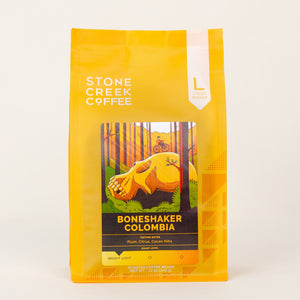
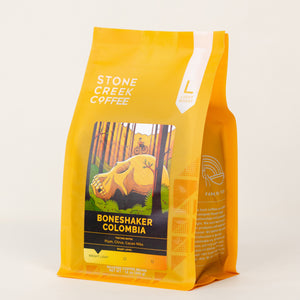
Single origin coffee comes from one location, whether a specific farm, a region within a country, or even a single estate. Because all the beans come from one place, they express the unique characteristics of that terroir: soil, climate, altitude, and processing all shape the flavor profile.
Lovers of single origin often describe these coffees as distinct, nuanced, and highly expressive with flavors that can range from bright and fruity to deep and chocolatey depending on the origin.
What Is a Coffee Blend?
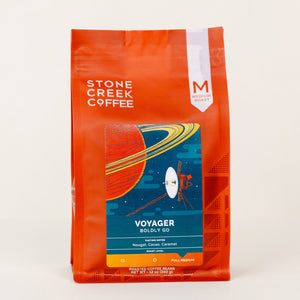
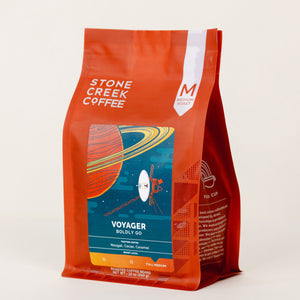
A coffee blend combines beans from multiple origins. After all, the goal isn’t uniformity, it’s balance. By blending beans with different strengths, roasters can create a cup that’s more complex, smoother, or more consistent from batch to batch than a single origin.
In a blend coffee vs. single origin comparison, blends tend to be crafted for a specific taste profile: bold and rich, sweet and balanced, or versatile enough for espresso, drip, or pour-over. Browse Stone Creek blends here.
Single Origin Coffee vs. Blends: Flavor & Experience
So how do these two really compare?
Flavor clarity:
• Single origin highlights unique characteristics, think citrus brightness, berry sweetness, or earthy tones, all very much depending on the region.
• Blends are designed for harmony, often smoothing out extremes and creating a more familiar, predictable cup.
Consistency:
• Single origin can vary between harvests and micro-lots.
• Blends can maintain a signature profile year-round because roasters can swap in similar beans to keep the balance.
Purpose:
• Single origin is ideal if you enjoy exploring coffee terroir and tasting what makes each place unique.
• Blends are great if you want a balanced, crowd-pleasing cup every time.
Why Choose One Over the Other?
Here are a few ways to decide which is right for you:
• For exploration and discovery: Choose single origin. It’s like tasting a country’s “coffee personality” in a cup.
• For daily drinkability: Choose blends. They’re designed to be enjoyable across brewing methods and palates.
• For espresso: Blends often perform well, offering sweetness and body that stand up to milk. If you are looking for something unique, however, single origin can produce some interesting and delicious 'spro, as well.
• For manual brew: Single origins can shine in pour-overs, where subtle flavors are highlighted.
Blend Coffee vs. Single Origin — Which Wins?
There’s no universal answer to the single origin coffee vs blend debate. Some coffee lovers rotate between the two — enjoying the predictable warmth of a blend in the morning and a bright single origin on the weekend. Neither is inherently “better” — they simply serve different purposes.
The beauty of coffee is in its diversity. Whether you prefer the clarity of a single origin or the balance of a blend, exploring both expands your palate and deepens your appreciation for what’s in your cup.
At Stone Creek Coffee, we offer expertly curated single origins and blended coffees so you can discover what suits your taste best — one delicious cup at a time.