How to Make Better Drip Coffee at Home
Sep 18, 2026
Quick Takeaways
• Use a medium grind for most automatic drip coffee makers.
• Start with a coffee-to-water ratio of about 1:16 and adjust to taste.
• Freshly roasted, freshly ground coffee makes a noticeable difference.
• The roast you choose matters, but there isn't one "best" roast for every coffee drinker.
• Good water and a clean coffee maker are just as important as good beans.
• A quality brewer can make it easier to get consistent results every morning.
Few things are more frustrating than buying a bag of great coffee only to end up with a mediocre cup at home.
The good news? You probably don't need to become a professional barista to make significantly better drip coffee at home. A few small changes to your coffee, grind, water, and brewing routine can make a surprisingly big difference.
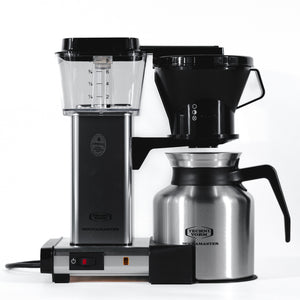
Whether you're using a basic automatic coffee maker or a more precise brewer like the Moccamaster, the basic principles are the same.
Start With Fresh Coffee
It goes without saying that great drip coffee starts with great coffee.
Coffee is at its best when its flavors are still fresh, so pay attention to when your coffee was roasted and how you're storing it. Once you've opened a bag, keep it sealed in an airtight container and away from heat, light, and moisture.
And whenever possible, buy whole beans and grind them shortly before brewing.
Grinding exposes much more of the coffee to oxygen, which means ground coffee loses freshness much more quickly than whole beans. If you're currently buying pre-ground coffee, switching to whole beans and a good grinder may be the single biggest upgrade you can make.
Find the Right Grind Size
Grind size is one of the easiest ways to change the flavor of your coffee.
For most automatic drip brewers, start with a medium grind. The grounds should look somewhat like coarse sand—not powdery like flour and not chunky like gravel.
If your coffee tastes:
• Sour, sharp, or thin: Try grinding a little finer.
• Bitter, harsh, or dry: Try grinding a little coarser.
• Balanced but lacking flavor: Adjust the grind gradually rather than making a dramatic change.
For more on why grind size matters, check out our guide to why grind size matters more than you think.
Use Enough Coffee
One of the most common mistakes with drip coffee is simply not using enough coffee.
A good starting point is approximately 1 gram of coffee for every 16 grams of water. You don't have to measure everything with laboratory precision, but using a scale can help you establish a repeatable recipe.
For example:
• 30 grams of coffee → about 480 grams of water
• 40 grams of coffee → about 640 grams of water
• 50 grams of coffee → about 800 grams of water
• 60 grams of coffee → about 1 liter of water
Once you've found a ratio you like, you can adjust it based on personal taste.
Prefer a stronger cup? Use a little more coffee.
Prefer something lighter? Use a little less.
Don't Ignore Your Water
Coffee is mostly water, so the water you're brewing with has a huge effect on the final cup.
If your tap water tastes strongly of chlorine or has a lot of mineral content, try filtered water. You don't necessarily need expensive specialty water. Start with water that tastes good on its own.
Water temperature matters, too. Your brewer should be hot enough to properly extract flavor from the grounds. Quality drip brewers are designed to maintain an appropriate brewing temperature, which is one reason a better brewer can produce more consistent coffee.
Keep Your Coffee Maker Clean
If you can't remember the last time you cleaned your coffee maker, there's a good chance it needs it.
Coffee oils and mineral deposits can build up inside a brewer over time. Those deposits can affect both the flavor of your coffee and the performance of the machine.
Regularly:
1) Wash the removable parts.
2) Clean the carafe.
3) Remove mineral buildup according to the manufacturer's instructions.
4) Replace water filters when appropriate.
5) Don't let old coffee sit in the pot for hours.
Fresh coffee deserves a clean brewer and requires it for optimal taste.
 Choose the Right Roast
There's no single "best" roast for drip coffee.
Light roasts can highlight floral, fruity, citrus, and other nuanced flavors. Medium roasts often provide a balance of sweetness, acidity, and body. Darker roasts tend to emphasize deeper, roastier flavors.
Your brewing method doesn't force you to choose one particular roast. Instead, think about what you actually enjoy drinking.
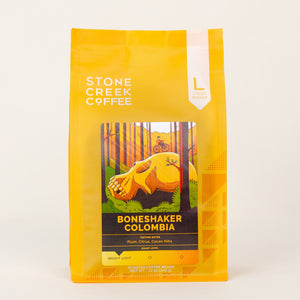
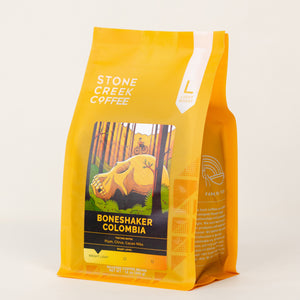
If you like bright, complex coffee, try exploring our light-roast coffees.
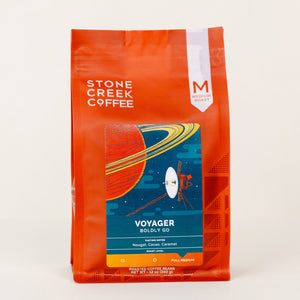
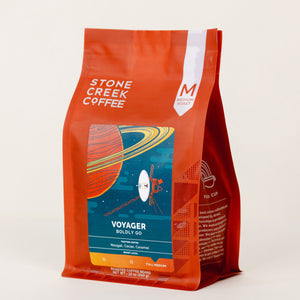
Prefer something balanced and versatile? Our medium-roast coffees are a great place to start.
And if you like bold, rich flavors, take a look at our dark-roast coffees.
You can also explore the full Stone Creek coffee collection.
Consider Upgrading Your Brewer
You don't need an expensive coffee maker to make good coffee. But a brewer that controls water temperature and distribution more consistently can make it easier to get repeatable results.
That's part of the appeal of a brewer like the Moccamaster drip brewer.
If you're looking to upgrade your entire setup, explore our collection of affordable yet high-quality brewing tools.
The Simple Recipe for Better Drip Coffee
If you want a starting point without overthinking it, try this:
• Coffee: Fresh whole beans
• Grind: Medium
• Ratio: 1:16 coffee to water
• Water: Filtered and good-tasting
• Brewer: Clean and properly maintained
From there, change one variable at a time.
If the coffee tastes sour, adjust the grind. If it's bitter, try going coarser. If it's weak, add more coffee. If it's strong, use less.
The goal isn't to follow somebody else's recipe forever. Instead, aim to establish a good starting point, then figure out what makes your cup taste best to you.
FAQ
What is the best grind size for drip coffee?
A medium grind is a good starting point for most automatic drip coffee makers. You may need to adjust slightly depending on your brewer and coffee.
How much coffee should I use for drip coffee?
A ratio of about 1 gram of coffee to 16 grams of water is a good starting point. Adjust the amount of coffee based on how strong you like your cup.
Is light roast or dark roast better for drip coffee?
Neither is universally better. Light roasts tend to emphasize brighter and more nuanced flavors, while darker roasts tend to be richer and roastier. Choose based on your preferences.
Does grinding coffee fresh really make a difference?
Yes. Whole beans generally retain freshness better than ground coffee because less of the coffee is exposed to oxygen.
Why does my drip coffee taste bitter?
Over-extraction can contribute to bitterness. Try using a slightly coarser grind, reducing the brewing time, or adjusting your coffee-to-water ratio.
Why does my drip coffee taste sour?
Under-extraction can produce sour or sharp flavors. Try grinding slightly finer or allowing the coffee to extract more fully.
Does the coffee maker really matter?
It can. A quality brewer can provide more consistent water temperature and distribution, making it easier to get consistent results. But fresh coffee, the right grind, good water, and a clean brewer matter too.