The Psychology of Coffee Breaks
May 22, 2026
Coffee breaks were never really just about caffeine. Sure, coffee helps wake us up, but the ritual itself often matters more than what’s in the cup. A coffee break is a pause. A transition. A small reset in the middle of a noisy day. Humans aren’t built for endless productivity marathons, and deep down, most of us already know that. We work better in rhythms, moments of focus balanced with moments of recovery, and coffee quietly supports that cycle in ways we don’t always notice.
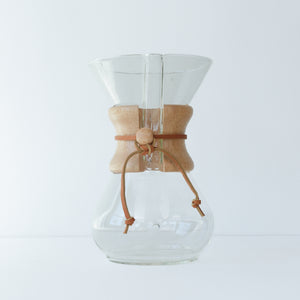
Psychologists have studied rituals for years because small repeated actions help create grounding, predictability, and emotional balance. The coffee break works because it creates a boundary between one part of the day and the next. Before the break, maybe it’s emails, meetings, notifications, or twenty tabs open at once. Then suddenly there’s water heating, beans grinding, cream swirling, steam rising. Your brain shifts gears. Even a few intentional minutes can lower stress and restore focus in ways that powering through simply can’t.
That rhythm matters because our brains naturally rise and fall throughout the day. Attention drifts, creativity stalls, and decision fatigue creeps in. Short breaks help restore those systems, especially when they involve movement or sensory change. Coffee naturally invites both. You stand up. You walk away from the screen. You smell something warm and familiar. You focus on a physical process instead of another notification. Your nervous system notices the difference, even if you don’t consciously think about it.
It’s also part of why coffee shops feel so good to be in. Somehow, they can feel energizing and calming at the same time. There’s usually enough ambient noise, movement, and social presence to make you feel connected, but not overwhelmed. Researchers sometimes call this “optimal distraction,” enough stimulation to wake the brain up without overloading it. A cafe becomes a tiny escape hatch from routine, a place where you can think differently for a little while. And we have 9 neighborhood Stone Creek cafes for you to find your perfect rhythm in.
And honestly, the ritual doesn’t need to be perfect to matter. A meaningful coffee moment doesn’t require expensive gear or flawless technique. Most of the value comes from the interruption itself, the decision to slow down for a second and notice something. Progress doesn’t always happen through intensity. Sometimes it happens through recovery, reflection, or simply giving yourself enough space to reset before returning to the day.
 Coffee also has this remarkable way of bringing people together. Think about how many conversations begin with “Want to grab coffee?” Coffee creates a low-pressure social space. It gives people something to share while talking, working, reconnecting, or catching their breath. Sometimes the mug is just emotional scaffolding for the conversation happening around it.
So maybe the next coffee break doesn’t need to happen while panic scrolling emails or answering Slack messages. Maybe it’s stepping outside for five minutes, brewing manually instead of rushing, using the same favorite mug every morning, or drinking your coffee without your phone nearby. Tiny rituals become anchors faster than we realize. And sometimes the smallest pauses end up carrying us through the rest of the day.