Does Water Really Matter for Coffee?
Aug 08, 2026
Key Takeaways
• Yes, water quality matters for coffee, as it makes up more than 98% of your brewed cup.
• The best water for brewing coffee is clean, fresh, filtered water with a balanced mineral content.
• Hard water can mute acidity and create mineral buildup, while soft water can produce a flat or under-extracted cup.
• Distilled water isn't recommended because it lacks the minerals needed to properly extract coffee flavors.
• Great coffee starts with great beans, but the water you brew with is just as important.
You carefully measure your coffee. You dial in your grinder. You weigh your brew ratio down to the gram.
Then you fill your kettle straight from the tap without giving it a second thought.
If that sounds familiar, you're not alone, but it raises an important question:
Does water quality matter for coffee?
The short answer is absolutely.
Since a brewed cup of coffee is mostly water, the quality of that water has a direct impact on flavor, aroma, body, and overall balance. Even the world's best coffee can't reach its full potential if it's brewed with water that works against it.
Let's take a closer look at what makes the best water for brewing coffee and why it matters more than many people realize.
Why Water Matters So Much
Coffee brewing is really a process of extraction.
As hot water passes through ground coffee, it dissolves hundreds of flavorful compounds, everything from bright fruit acids to rich chocolate notes and delicate floral aromas.
The water itself doesn't just carry those flavors. Its mineral content actually influences which flavors are extracted and how balanced the final cup tastes.
That's one reason why two people can brew the exact same coffee using the same recipe and end up with noticeably different results.
Hard Water vs. Soft Water
One of the biggest factors affecting water for brewing coffee is hardness.
Hard Water
Hard water contains higher levels of dissolved minerals, especially calcium and magnesium.
These minerals can actually help extract coffee flavors, but too much of a good thing creates problems.
Very hard water may:
• Mute brightness and acidity
• Create a chalky or heavy mouthfeel
• Make coffees taste dull or muddy
• Leave mineral scale inside kettles and espresso machines
If you've ever noticed white buildup inside your kettle, you're probably dealing with hard water.
Soft Water
Soft water contains far fewer dissolved minerals.
While that might sound ideal, extremely soft water can struggle to extract coffee efficiently.
The result may be:
• Thin body
• Flat flavor
• Under-extracted coffee
• Less sweetness and complexity
The goal isn't the softest water or the hardest water; it's balanced water.
Filtered vs. Distilled Water
Many home brewers wonder whether filtered or distilled water is the better choice.
Filtered Water
For most people, filtered water is the easiest and best solution.
A quality carbon filter removes chlorine and many unpleasant tastes while leaving behind enough beneficial minerals for proper extraction.
For many coffee drinkers, filtered tap water provides an excellent balance between convenience and flavor.
Distilled Water
Distilled water is almost completely free of minerals.
While that sounds pure, it actually isn't ideal for brewing coffee.
Without minerals to help dissolve flavorful compounds, distilled water often produces coffee that tastes:
• Hollow
• Weak
• One-dimensional
In other words, distilled water is usually too pure for great coffee.
Want to Take the Guesswork Out of Your Water?
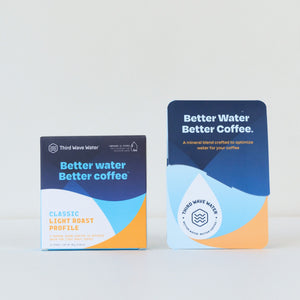
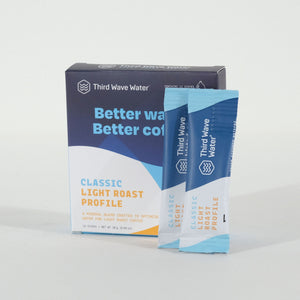
If your tap water isn’t quite cutting it, or you just want more consistency from brew to brew, Third Wave Water Supplements make it easy to build better brewing water at home.
Simply add a packet to the recommended amount of distilled or reverse-osmosis water to create a mineral profile designed specifically for coffee brewing. You get the clean starting point of purified water plus the minerals your coffee needs for proper extraction.
It’s an easy upgrade for coffee geeks who want more control without becoming part-time water chemists.
 So What's the Best Water for Brewing Coffee?
If you're wondering about the absolute best water for brewing coffee, here's a simple rule:
Use fresh, clean, filtered water that tastes good on its own.
If you enjoy drinking the water from your glass, there's a good chance it will also brew a delicious cup of coffee.
Most coffee professionals recommend avoiding:
• Water with strong chlorine odors
• Distilled water
• Extremely hard water
• Water that's been sitting in your kettle for hours
Fresh water each brew makes a noticeable difference.
Great Water Deserves Great Coffee
Water can only highlight what's already in the beans.
That's why starting with freshly roasted specialty coffee is just as important as using quality water.
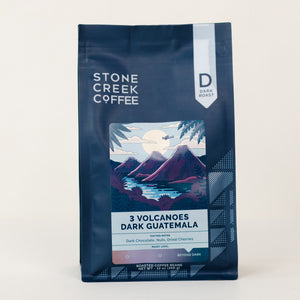
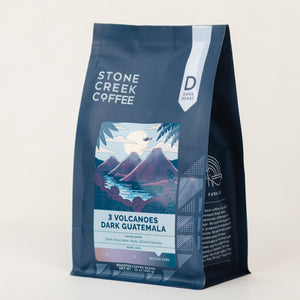
Whether you enjoy bright light roasts, balanced medium roasts, or bold darker profiles, choosing freshly roasted coffee gives your water something worth extracting. Explore Stone Creek Coffee's Shop by Roast collection to discover coffees that match your preferred flavor profile.
And if you'd rather let someone else dial everything in, stop by one of our Milwaukee-area cafes, where our baristas carefully balance every variable, including the water, to help every cup shine.
Final Thoughts
When people ask, "Does water quality matter for coffee?" the answer is an easy yes.
Coffee brewing isn't just about beans or equipment; it's about how all the pieces work together.
Freshly roasted coffee, a consistent grind, proper brewing technique, and quality water all play an important role in creating an exceptional cup.
The good news is improving your brewing water is often one of the simplest and least expensive ways to make every cup taste noticeably better.
Frequently Asked Questions
Does water quality matter for coffee?
Yes. Because coffee is mostly water, the quality and mineral content of your brewing water have a significant impact on flavor, aroma, and extraction.
What is the best water for brewing coffee?
The best water for brewing coffee is fresh, clean, filtered water with a balanced mineral content. Water that tastes good by itself is usually a great choice for coffee.
Is filtered water better than tap water for coffee?
In many homes, yes. A quality filter removes chlorine and unwanted tastes while preserving enough minerals to help extract coffee properly.
Should I use distilled water for brewing coffee?
Generally, no. Distilled water lacks the minerals needed for proper extraction, often resulting in coffee that tastes flat or underdeveloped.
Is hard water bad for coffee?
Very hard water can dull flavors, reduce acidity, and cause mineral buildup in brewing equipment. Moderately mineralized water typically produces better results.
Can changing my water really improve my coffee?
Absolutely. Switching from heavily chlorinated, overly hard, or distilled water to clean filtered water is one of the easiest ways to improve the flavor of your daily brew.